What’s the Difference Between Lipoedema & Lymphoedema?
Many people confuse Lipoedema and Lymphoedema, two chronic conditions that affect the limbs. While both cause swelling and discomfort, they stem from entirely different underlying causes. If you're noticing unexplained swelling, pain, or discomfort in your legs or arms, understanding these conditions is the first step toward effective treatment.
At Shirley's Manual Lymphatic Drainage, I help clients manage both conditions through personalised care. This blog breaks down the differences, symptoms, and treatment options to help you identify what might be affecting you.
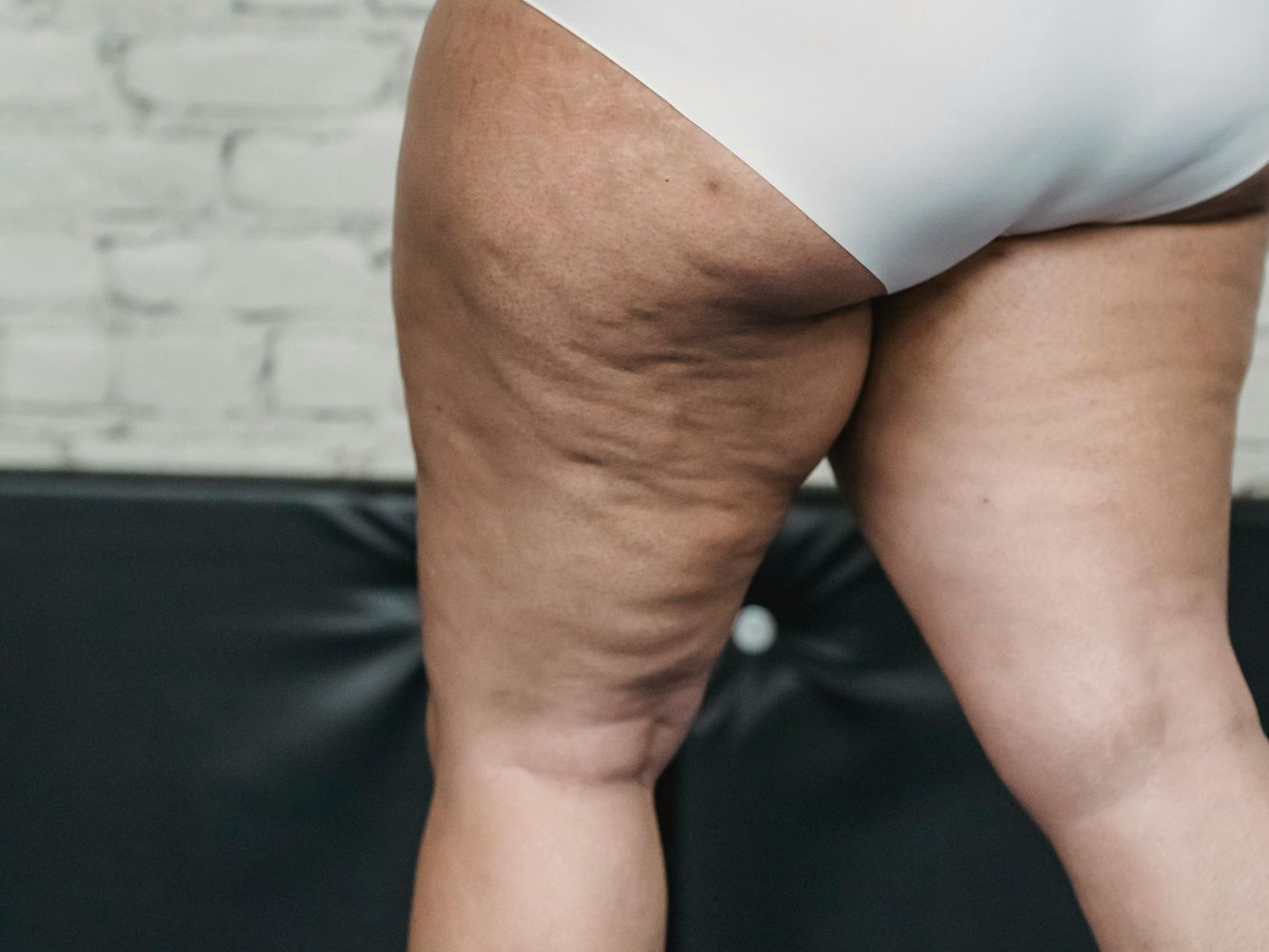
What is Lipoedema?
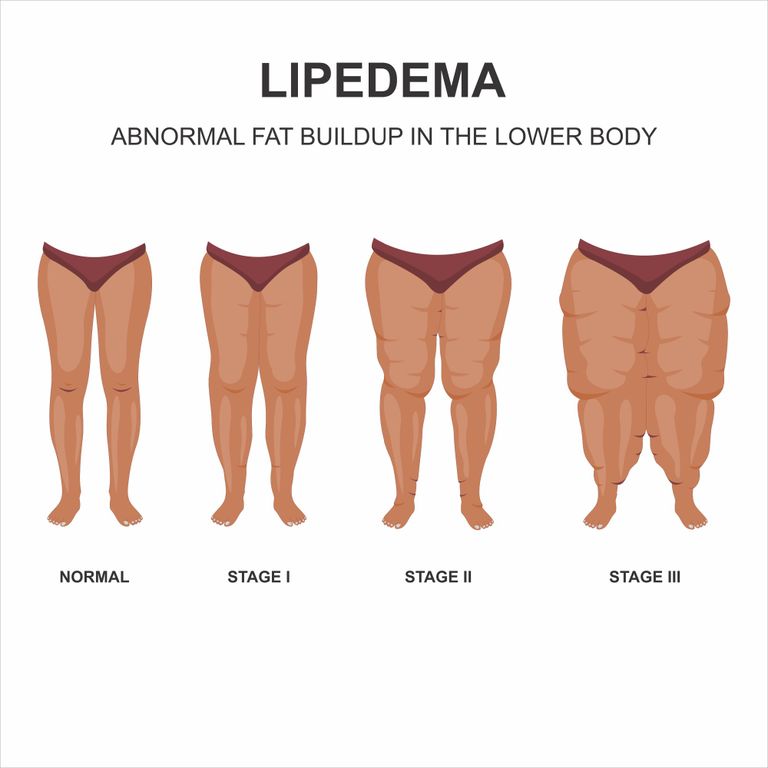
Lipoedema is a chronic connective tissue disorder where abnormal fat is deposited in the tissues that primarily affects women, often developing during hormonal changes such as puberty, pregnancy, or menopause. It causes symmetrical fat build-up, typically in the legs and arms, and is often misdiagnosed as obesity or general weight gain.
Key Characteristics of Lipoedema:
- Symmetrical swelling in legs (and sometimes arms)
- Feet and hands are typically not affected
- Skin feels soft, with nodular fat deposits
- Painful to touch and bruises easily
- Does not respond to diet or exercise
- No pitting when pressed in early stages
Causes of Lipoedema:
- Largely genetic
- Hormonal influences (puberty, pregnancy, menopause)
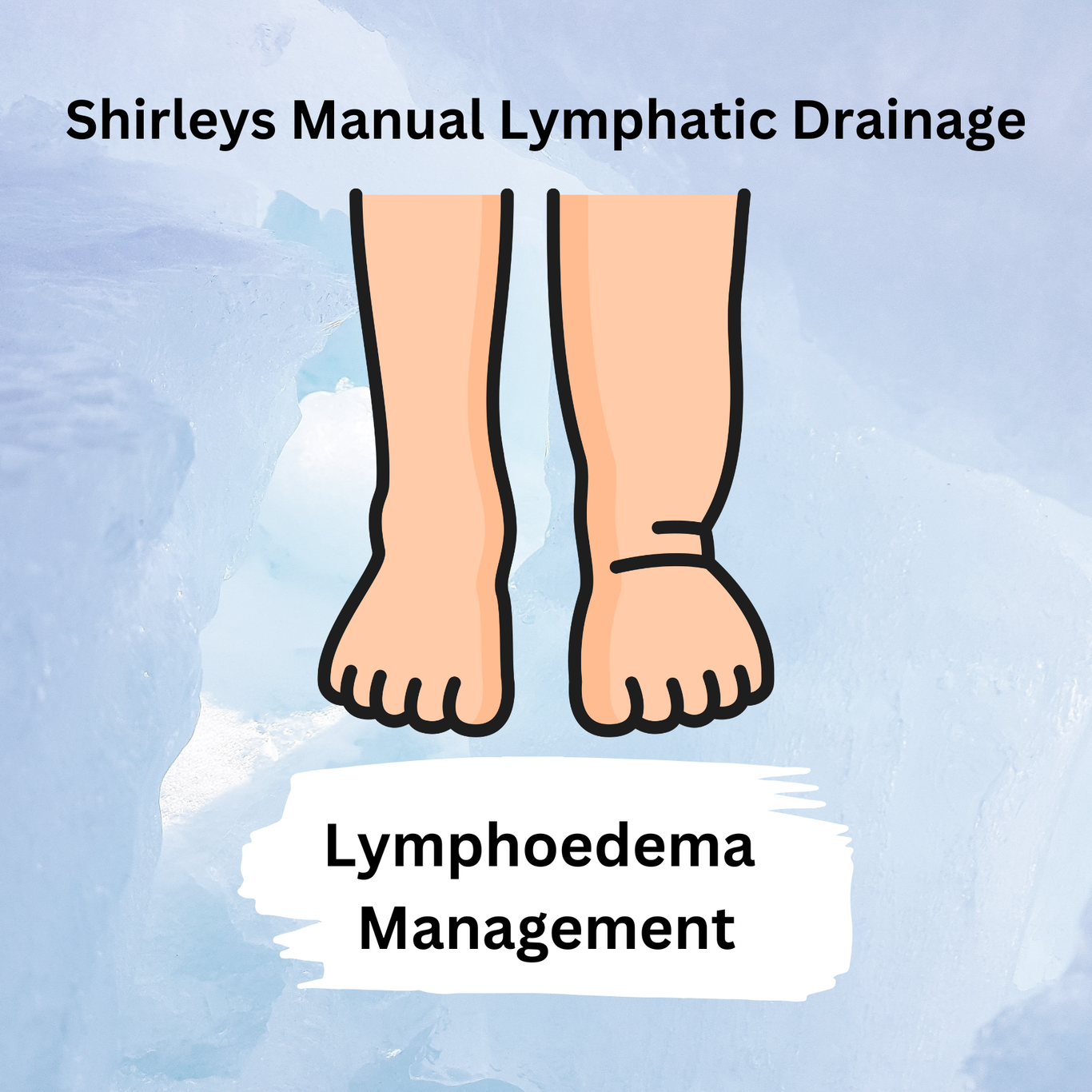
What is Lymphoedema?
Lymphoedema is a fluid retention disorder caused by damage or blockage in the lymphatic system. This impairs the body's ability to drain lymph fluid, resulting in swelling. It can be primary (genetic) or secondary, commonly developing after surgery, cancer treatment, or infection.
Key Characteristics of Lymphoedema:
- Swelling can be asymmetrical
- Typically affects feet or hands as well as limbs
- Causes tightness or heaviness
- Skin may harden (fibrosis) in later stages
- Pitting oedema (skin indentation when pressed)
- Can lead to frequent infections (e.g., cellulitis)
Causes of Lymphoedema:
- Surgery or radiation (especially cancer-related)
- Injury or trauma to lymph nodes
- Genetic factors (primary lymphoedema)
How to Tell Lipoedema & Lymphoedema Apart
1. Location of Swelling
- Lipoedema: Legs and arms only, spares hands and feet
- Lymphoedema: Affects hands and feet, often starts in one limb
2. Pitting vs Non-Pitting
- Lipoedema: No pitting in early stages
- Lymphoedema: Pitting is common, especially early on
3. Symmetry
- Lipoedema: Always symmetrical
- Lymphoedema: Usually asymmetrical
4. Pain & Sensitivity
- Lipoedema: Often painful and tender
- Lymphoedema: Heaviness or tightness, less pain initially
5. Skin Changes
- Lipoedema generally maintains normal skin texture in early stages
- Lymphoedema can cause skin to harden and thicken over time
Why Diagnosis Matters
Correctly identifying which condition you have is essential. Lipoedema often gets misdiagnosed as obesity or is left untreated due to a lack of awareness. Meanwhile, untreated Lymphoedema can lead to serious complications such as infections and irreversible tissue damage.
How Shirley’s Manual Lymphatic Drainage Can Help
I offer tailored therapies for both Lipoedema and Lymphoedema in Wellingborough:
- Decongestive Lymphatic Therapy (DLT) for lymphoedema
- Manual Lymphatic Drainage (MLD) for lipoedema
- Compression bandaging and garments when needed
- Ongoing support via WhatsApp for current clients
All treatments are based on the Vodder Method, an internationally recognised technique for MLD.
Supporting Pages
External Sources for Further Reading:
Book Lipoedema or Lymphoedema Treatment in Wellingborough Today
If you're struggling with unexplained swelling, don't wait. Book a consultation with me at Shirley’s Manual Lymphatic Drainage. Let’s determine the cause and start your journey towards comfort and mobility.
Call 07411 332510 or email info@shirleys-manual-lymphatic-drainage.co.uk to book today.